


Visceral Fat Rating is an indicator to track visceral fat in your body. Visceral fat is located deep in the core abdominal area, surrounding, and protecting the vital organs. When measuring your body fat surrounding the waist, you are measuring visceral fat. It is normal to have some visceral fat; however, a high level of visceral fat can lead to serious health issues.
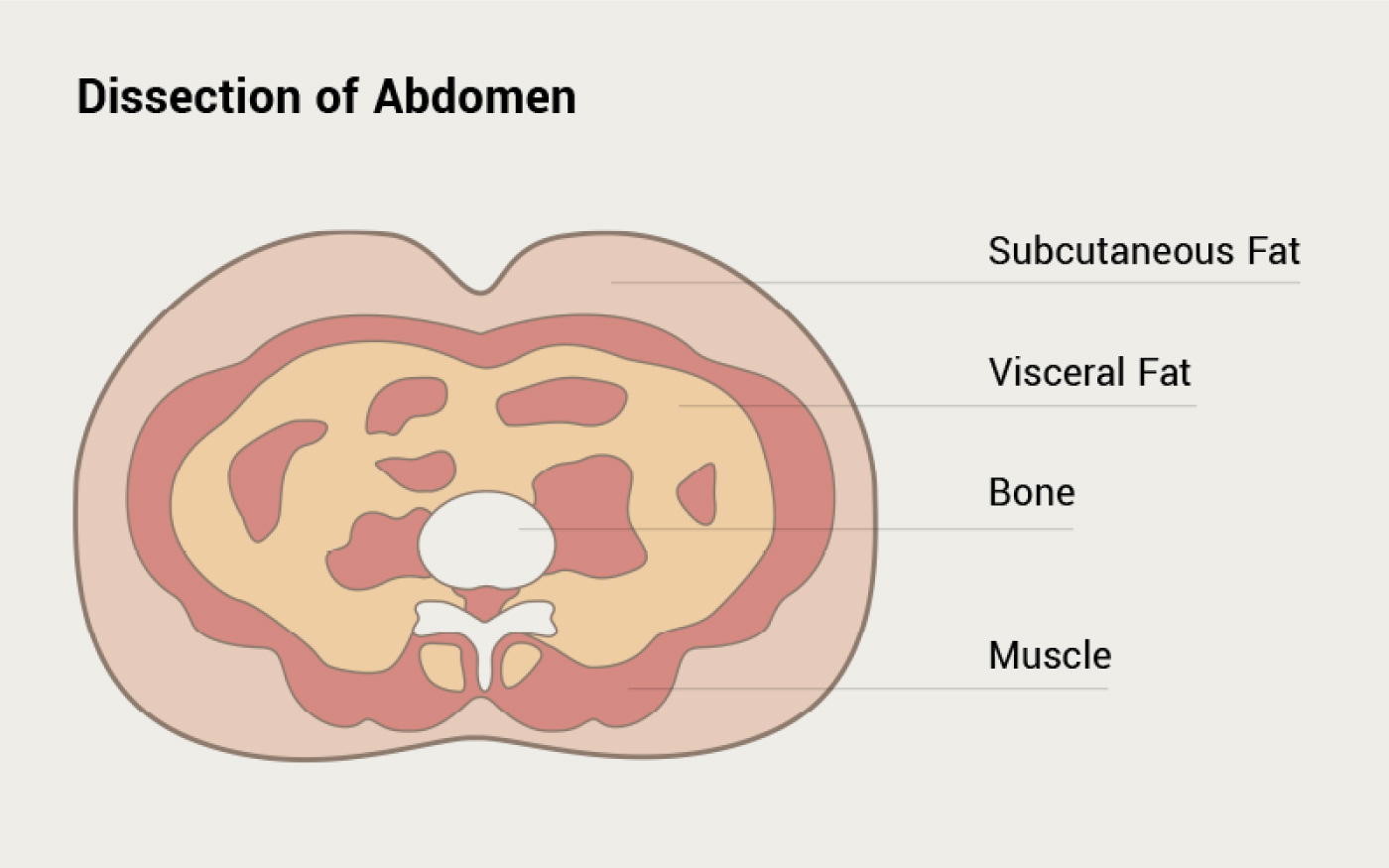
Visceral Fat Rating includes the total fat area of both subcutaneous fat (under the skin) and visceral fat.
For a quick easy explanation - try tensing your tummy muscles, then pinch the fat by your belly button. What you can pinch is subcutaneous fat (under the skin) it is not visceral fat. Visceral fat is the fat you can't pinch - it is on the inside of your muscle wall. Typically, this type of fat is most often found in high levels in middle aged men (often mistakenly referred to as a beer belly). Men have a genetic predisposition to accumulating fat in this way, whereas women are more likely to store fat subcutaneously. (Subcutaneous fat has been shown to be associated with the nutrition required by a developing fetus, and for breast feeding).
High Visceral Fat levels increase the risk of high blood pressure, heart disease and type 2 diabetes. Lowering Visceral Fat levels can stabilize insulin action substantially, and reduce the risk of diabetes and other related illnesses.
 Body Fat (%)
 Visceral Fat Rating
 Muscle Mass
 Muscle Quality Score
 Total Body Water (%)
 Body Mass Index (BMI)
 Basal Metabolic Rate (BMR)
 Metabolic Age
 Bone Mass
 Segmental Measurement
 Physique Rating
 FitPlus
 Athlete Mode