


Sarcopenia can result from a variety of medical conditions ranging from disease or inadequate dietary intake/ anorexia to a simple atrophy through insufficient use of the muscles. When there are no underlying specific clinical conditions for sarcopenia, inactive lifestyles and ageing are the main causes contributing to muscle loss.

- Reduces muscle strength
- Risk of disability (1.5-4.6 times higher)
- Risk of elderly falling
- Higher burden to healthcare system
- Drop in Quality of Life due to immobility
- Increased needs for social support
- Higher risks of mortality
In addition to disability, sarcopenia has been linked with osteoporosis, obesity and type ll diabetes. Muscle loss is associated with slowness, weakness and general frailty which in turn lead to early fatigue and low physical activity than then reinforce the cycle of muscle wasting.
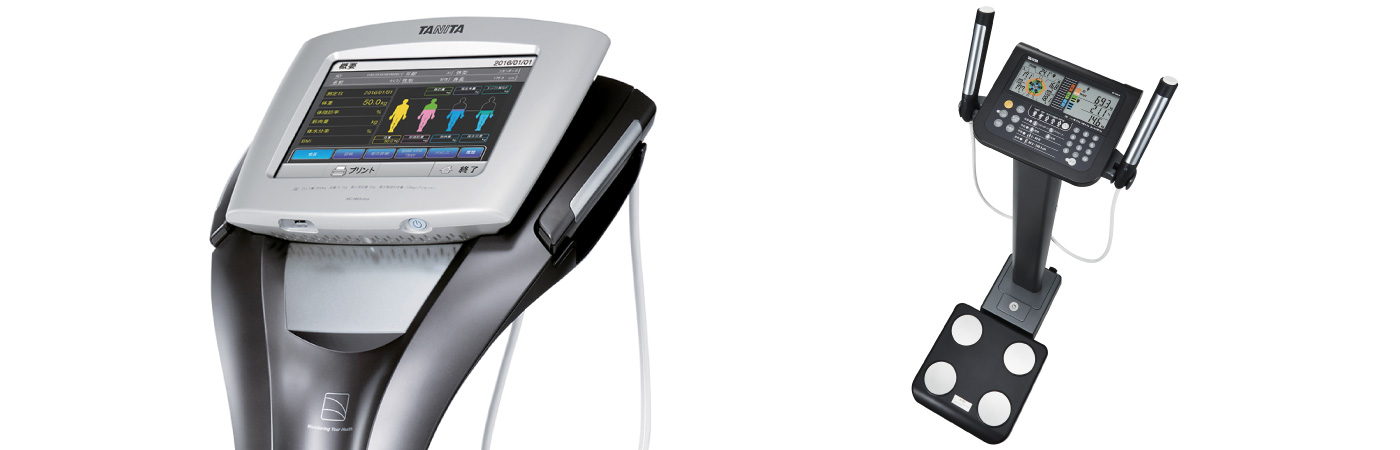
Incorporating the multi-frequency BIA technology with the Sarcopenia Assessment feature, the MC-980MA Plus allows the identification, prevention and monitoring of muscle status easier. User can select the most suitable one depending on their methodology preference:
- MM/H ²: height-adjusted Muscle Mass
- MM/BW: Weight-adjusted Muscle Mass
- SMI (ASM/ H ²): Height – adjusted SMI
- ASM/BW: Weight – adjusted SMI